
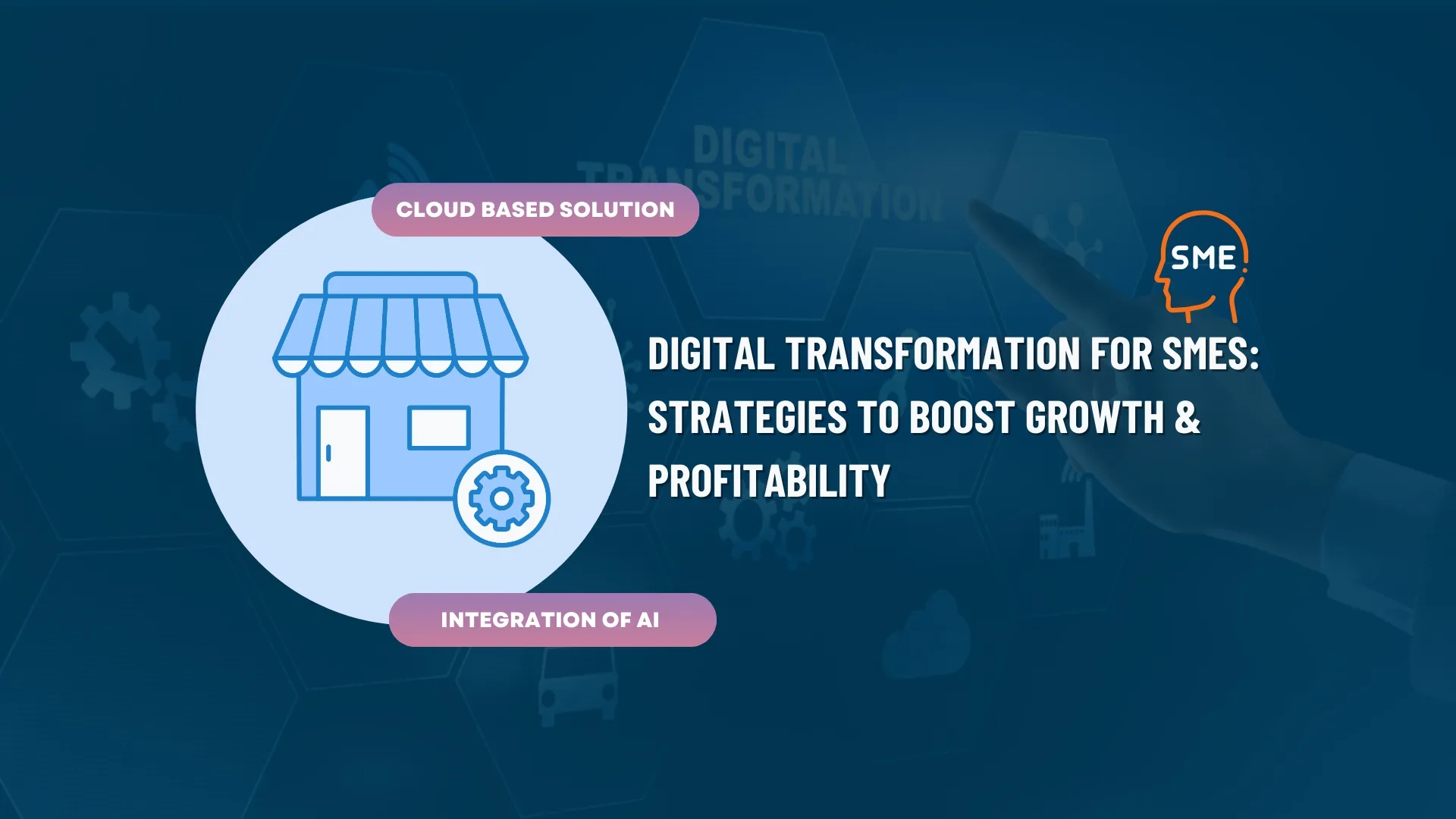
Digital Transformation for SMEs: Strategies to Boost Growth & Profitability
Discover how SMEs can leverage digital transformation to enhance efficiency, reduce costs, and drive sustainable growth. Learn actionable strategies to overcome challenges and thrive in a competitive market.
Imagine running a small business where every decision feels like a high-stakes gamble. You’re juggling tight budgets, limited resources, and fierce competition, all while trying to keep up with the lightning-fast pace of today’s market. Sound familiar? For small and medium-sized enterprises (SMEs), this is the daily reality. But here’s the good news: digital transformation is no longer a luxury reserved for big corporations with deep pockets—it’s a game-changer for SMEs too.
The global digital transformation market, valued at a whopping $880.28 billion in 2023, is set to grow at an astonishing 27.6% CAGR by 2030. This explosive growth is driven by cutting-edge technologies like Artificial Intelligence (AI), cloud computing, big data analytics, and cybersecurity. For SMEs, digital transformation isn’t just about adopting the latest tech—it’s about strategically using these tools to streamline operations, delight customers, and unlock new growth opportunities.
But let’s be honest: the journey isn’t easy. Limited budgets, lack of expertise, and resistance to change can make digital transformation feel like climbing a mountain. That’s why this blog is here to guide you. We’ll explore why digital transformation is crucial for SMEs, the challenges you might face, and actionable strategies to help you succeed. Whether you’re a small retail shop, a growing tech startup, or a local service provider, this is your roadmap to thriving in the digital age. Ready to transform your business? Let’s dive in!
Why Does Digital Transformation Matter for SMEs? ✨
Digital transformation is no longer a luxury—it’s a critical strategy for staying relevant and competitive. For SMEs, embracing digital innovation can revolutionize operations, elevate customer engagement, and drive sustainable growth. Here’s why it’s essential:
1. Boosts Operational Efficiency ⚙️
Digital tools streamline workflows and eliminate inefficiencies. Automating repetitive tasks like invoicing, inventory management, or payroll processing saves time and resources. Employees can then focus on high-value tasks, fostering innovation and productivity. Real-time data insights enable quicker decision-making, improving overall organizational agility.
2. Reduces Costs and Optimizes Resources 💰
While the initial investment in digital tools may seem daunting, the long-term financial benefits outweigh the costs. Cloud-based solutions, for instance, reduce the need for expensive hardware and maintenance. Resource optimization allows SMEs to reinvest in critical growth areas, ensuring better financial health and scalability.
3. Enhances Customer Experience ❤️
Modern customers demand personalized, seamless interactions across channels. Digital tools like Customer Relationship Management (CRM) platforms provide deep insights into customer preferences and behaviors. SMEs can use this data to deliver tailored services, build loyalty, and amplify revenue streams.
4. Maintains Competitiveness in a Digital Era 🌐
By 2025, 65% of global GDP will come from digital products and services, according to IDC. SMEs that embrace digital technologies stay competitive, meeting market demands with agility and innovation. Delaying transformation risks being outpaced by competitors leveraging advanced digital ecosystems.
Establishing Clear Objectives and Planning🧠
A successful digital transformation starts with clear, achievable goals and a detailed plan. It’s easy to get swept up in new tools and software; chasing novel technologies without considering their impact on your people, customers, and bottom line. Just like the race to embrace AI, you might find new tools and systems interesting, but connecting them to tangible business benefits is what matters most.
First: identify what you want from a digital transformation. Do you want to simplify processes for employees, to help them become more efficient? Do you want to understand your customers better, so you can deliver targeted advertising and secure more sales? Maybe it’s a combination of things.
Answering questions like these will allow you to work backwards from the end goal, and develop a step-by-step plan that gets you there. Having a clear set of objectives also means you have something to measure. Unless you can track what you’re building, you won’t be able to determine whether your strategy is a success. Trackable, measurable goals allow you to course correct when things don’t go to plan.
Key Challenges SMEs Face in Digital Transformation🚨
Despite its benefits, digital transformation poses challenges for SMEs. Understanding these hurdles can help businesses develop strategies to overcome them effectively.
1. Limited Financial Resources
Budget constraints make digital adoption difficult. High costs for software, hardware, and infrastructure can strain SMEs. A phased approach to digital transformation and exploring affordable SaaS solutions can help alleviate financial burdens.
2. Lack of Digital Expertise
Many SMEs struggle with adopting digital technologies due to a shortage of skilled personnel. Investing in employee training and partnering with tech consultants can bridge this gap.
3. Resistance to Change
Employees accustomed to traditional methods may resist adopting digital tools. Implementing change management strategies and providing comprehensive training can ease the transition.
4. Integration with Legacy Systems
Many SMEs rely on outdated infrastructure that may not integrate seamlessly with modern digital solutions. Gradual migration to cloud-based platforms can help streamline the transition.
5. Increased Cybersecurity Risks
Adopting digital solutions exposes SMEs to cyber threats. Strengthening cybersecurity protocols, investing in encryption tools, and training employees in cybersecurity best practices can mitigate risks.
6. Measuring ROI on Digital Investments
Assessing the impact of digital transformation can be challenging. Establishing clear KPIs and leveraging analytics tools can provide measurable insights into business performance improvements.
The Power of AI in Digital Transformation🤖
Artificial Intelligence is rapidly becoming the backbone of digital transformation, especially for SMEs. AI-driven solutions are enabling small and medium-sized businesses to automate routine tasks, predict market trends, and personalize customer experiences in ways that were once reserved for large enterprises. For example, AI-powered chatbots can handle customer inquiries around the clock, reducing the workload on human teams and ensuring prompt service. Predictive analytics driven by machine learning sift through vast amounts of data to uncover hidden patterns, enabling businesses to optimize inventory, forecast demand, and mitigate risks before they become critical issues.
Moreover, AI plays a crucial role in enhancing decision-making by providing real-time insights and actionable recommendations. This means that instead of relying solely on historical data, SMEs can leverage AI to adjust their strategies dynamically as market conditions change. The use of AI isn't limited to customer service and inventory management—it also extends to cybersecurity, where AI tools help detect anomalies and respond to potential threats much faster than traditional methods. By integrating AI into their digital transformation strategies, SMEs can not only streamline their operations but also build a more resilient, agile business model that stands out in a competitive digital economy.
Cloud-Based Solutions: The Backbone of Digital Transformation ☁️
Cloud-based platforms have revolutionized how SMEs operate by offering flexibility, scalability, and cost-efficiency. These solutions eliminate the need for expensive hardware, simplify workflows, and support remote operations, making them ideal for businesses with limited resources.
1. Microsoft Dynamics 365
Microsoft Dynamics 365 integrates ERP (Enterprise Resource Planning) and CRM (Customer Relationship Management) functionalities into a single platform. This powerful tool enables SMEs to manage finances, operations, and customer relationships efficiently. For example, a retail business can use Dynamics 365 to track inventory in real time, analyze sales trends, and personalize customer interactions—all from one centralized system.
2. Google Workspace
Google Workspace offers a suite of collaborative tools, including Gmail, Drive, Docs, and Sheets. These tools foster seamless teamwork and document sharing, making it easier for SMEs to collaborate in real time, whether employees are in the office or working remotely. For instance, a marketing team can co-edit campaign materials on Google Docs while simultaneously discussing strategies on Google Meet.
3. Zoho One
Zoho One is an all-in-one platform featuring over 40 business applications that cover sales, HR, finance, and more. This unified digital ecosystem allows SMEs to streamline operations and eliminate the need for multiple disjointed tools. A small manufacturing company, for example, can use Zoho One to manage inventory, track employee performance, and handle customer support—all within a single platform.
Customer Relationship Management (CRM): Building Stronger Customer Connections ❤️
CRM tools are essential for SMEs looking to enhance customer engagement, streamline sales processes, and drive revenue growth. These platforms centralize customer data, enabling businesses to deliver personalized experiences and make data-driven decisions.
1. HubSpot CRM
HubSpot CRM is a free, user-friendly solution that offers lead management, email marketing automation, and sales tracking. It’s particularly well-suited for growing businesses that need to manage customer interactions without breaking the bank. For example, a small e-commerce business can use HubSpot CRM to track customer inquiries, automate follow-up emails, and analyze sales performance.
2. Salesforce Essentials
Salesforce Essentials is designed specifically for SMEs, offering tools to streamline customer interactions and automate sales processes. This platform helps businesses manage leads, track customer history, and forecast sales, all while providing actionable insights to improve efficiency. A consulting firm, for instance, can use Salesforce Essentials to manage client relationships, track project progress, and identify upselling opportunities.
Automation Tools: Streamlining Operations and Reducing Costs 🤖
Automation is a game-changer for SMEs, enabling them to streamline repetitive tasks, reduce errors, and free up time for strategic initiatives.
1. QuickBooks
QuickBooks automates financial processes like invoicing, payroll, and expense tracking. This tool is particularly beneficial for SMEs that lack dedicated accounting teams. For example, a small retail store can use QuickBooks to generate invoices automatically, track expenses, and prepare financial reports with minimal manual effort.
2. Zapier
Zapier connects different apps and automates workflows, saving time and reducing manual effort. For instance, an SME can use Zapier to automatically sync customer data from a CRM platform to an email marketing tool, ensuring seamless communication and eliminating the need for manual data entry.
Cybersecurity Solutions: Protecting Your Digital Assets 🔒
As SMEs embrace digital transformation, they become more vulnerable to cyber threats. Investing in robust cybersecurity measures is essential to protect sensitive data and maintain customer trust.
1. Norton Small Business
Norton Small Business offers comprehensive cybersecurity solutions, including antivirus software, firewall protection, and secure VPNs. This tool is ideal for SMEs that need affordable yet reliable protection against cyber threats.
2. LastPass
LastPass is a password management tool that helps SMEs securely store and share login credentials. By using strong, unique passwords for each account, businesses can reduce the risk of data breaches.
Tailored Digital Transformation Strategies for SMEs 🛠️
To overcome these challenges and unlock the full potential of digital transformation, SMEs can implement targeted strategies. Here’s how:
1. Start with Scalable, Incremental Solutions 📦
Focus on small, affordable technologies that address immediate operational pain points. For instance, cloud-based tools like CRM systems simplify customer management without requiring significant investments. Incremental adoption minimizes risk and ensures seamless integration.
2. Harness the Power of Cloud Computing ☁️
Cloud platforms provide cost-effective, scalable solutions tailored to SME needs. Tools like Google Workspace and Microsoft 365 streamline workflows and reduce infrastructure expenses. Cloud storage ensures secure, centralized data access, promoting collaboration across distributed teams.
3. Automate Routine Operations 🤖
Automation eliminates repetitive tasks, boosting efficiency and reducing human errors. For example, automating inventory management or email marketing saves time and optimizes performance. Tools like QuickBooks and HubSpot enable SMEs to implement automation without requiring advanced technical skills.
4. Strengthen Cybersecurity Measures 🔐
Invest in robust yet budget-friendly security solutions like firewalls, antivirus software, and regular vulnerability assessments. Employee training on recognizing phishing attacks and using strong passwords can significantly reduce cybersecurity risks.
5. Empower Employees Through Upskilling 🎓
Digital tools are only as effective as the teams operating them. Invest in training programs to equip employees with the necessary skills. Workshops or hands-on sessions help employees overcome resistance to new technologies.
6. Embrace a Customer-Centric Approach 🎯
Digital tools enable SMEs to gather actionable insights into customer behavior and preferences. Platforms like Power BI analyze customer data, helping SMEs deliver personalized experiences. These insights can be used to create targeted campaigns and improve service quality, fostering loyalty and enhancing revenue streams.
7. Partner with Digital Transformation Experts 🤝
Collaborating with experienced technology consultants simplifies the adoption process. Experts help identify relevant tools, streamline workflows, and address potential challenges. A strategic partnership ensures that SMEs make informed decisions, avoiding costly missteps.
Conclusion: Empowering SMEs for a Digital Future 🚀
Digital transformation is not just attainable for SMEs—it’s essential for staying competitive in today’s fast-paced market. By leveraging cloud-based solutions, CRM tools, automation platforms, and cybersecurity measures, SMEs can enhance efficiency, improve customer relationships, and drive sustainable growth.
At Zettabyte Incorp, we specialize in helping SMEs navigate their digital transformation journey with tailored solutions and expert guidance. Ready to take the first step toward a digitally empowered future? Contact us today and unlock your business’s full potential!

Why Learning to Code is Essential in the Age of AI (And How ZettaByte Empowers You)
As AI reshapes tech, coding remains a critical skill. Discover why human......
As AI reshapes tech, coding remains a critical skill. Discover why human ingenuity thrives alongside AI and how ZettaByte prepares learners for the future.💡💻...
Click/Tap to Read
From Idea to Implementation: Understanding the Software Development Life Cycle (SDLC)
Discover the Software Development Life Cycle (SDLC) and how it transforms ideas......
Discover the Software Development Life Cycle (SDLC) and how it transforms ideas into functional software. Learn about planning, design, development, testing, and deployment to ensure project success. 🚀...
Click/Tap to Read
How Customer Data & Machine Learning Can Enhance Customer Experience
Discover how combining customer data with machine learning can revolutionize customer experience.......
Discover how combining customer data with machine learning can revolutionize customer experience. Learn actionable strategies to deliver personalized services, predict customer needs, and boost satisfaction....
Click/Tap to Read
How to Create a Software Development Project Plan: A Step-by-Step Guide
Learn how to create a comprehensive software development project plan to ensure......
Learn how to create a comprehensive software development project plan to ensure success. Discover key steps, tools, and strategies to manage timelines, resources, and risks effectively....
Click/Tap to Read
The Importance of User-Centered Design in Software Development 🎯
Discover the importance of User-Centered Design (UCD) in software development and how......
Discover the importance of User-Centered Design (UCD) in software development and how it drives success. Learn how prioritizing user needs enhances UX, boosts engagement, and delivers competitive advantage....
Click/Tap to Read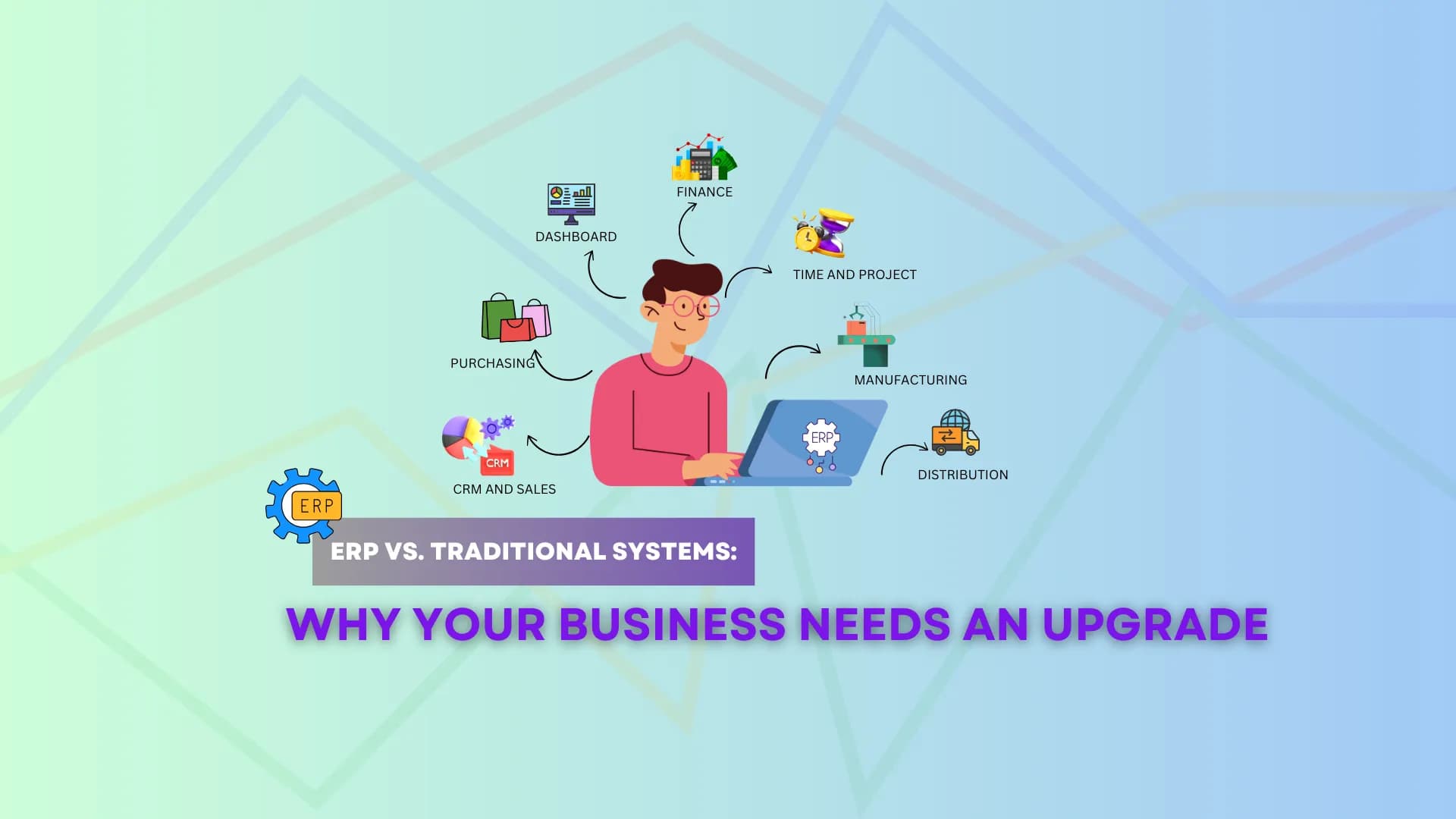
ERP vs. Traditional Systems: Why Your Business Needs an Upgrade
Discover the key differences between ERP and traditional systems, and learn......
Discover the key differences between ERP and traditional systems, and learn why upgrading to an ERP solution can transform your business operations, efficiency, and growth....
Click/Tap to Read
Protect Your Business: How to Create a Cybersecurity Strategy That Works in 2025
Learn how to create a robust cybersecurity strategy for your small......
Learn how to create a robust cybersecurity strategy for your small business. Discover key steps, tools, and best practices to protect your operations, data, and reputation from cyber threats....
Click/Tap to Read
THE FUTURE OF POS TECHNOLOGY: What Your Business Deserves in 2024
Discover how cutting-edge POS technology can revolutionize your business operations. Explore benefits,......
Discover how cutting-edge POS technology can revolutionize your business operations. Explore benefits, key features, and why Zettabyte Incorp is your partner for tailored POS solutions. Innovative POS Technology Is What Your Business Deserves...
Click/Tap to Read
Dynamic Design Made Simple: Motion UI for React Developers
Discover how Motion UI transforms static web interfaces into dynamic, engaging experiences......
Discover how Motion UI transforms static web interfaces into dynamic, engaging experiences for React developers. Learn about popular libraries like Framer Motion, React Spring, and GSAP, and elevate your app’s design with seamless animations....
Click/Tap to Read
Scaling Customer Success Without Losing the Personal Touch: How Zettabyte Can Help
Discover how AI-powered ERP systems are revolutionizing business operations in 2025. Learn......
Discover how AI-powered ERP systems are revolutionizing business operations in 2025. Learn about their benefits, key features, and how ZettaByte Technology can help you implement cutting-edge ERP solutions for your business....
Click/Tap to Read
Why Choosing the Right Software Development Vendor Matters
Choosing the right software development vendor is crucial for your business success.......
Choosing the right software development vendor is crucial for your business success. Learn the key factors to consider, from experience and tech stack to pricing and communication, and find a reliable partner for your project....
Click/Tap to Read
A Unified Approach to IT Success: Enterprise, Solution, and Technical Explained
What makes IT systems successful? Meet the three key architects—enterprise, solution,......
What makes IT systems successful? Meet the three key architects—enterprise, solution, and technical—who align business goals with technology to drive innovation and efficiency....
Click/Tap to Read
Scaling Customer Success Without Losing the Personal Touch: How Zettabyte Can Help
Learn how Zettabyte enables businesses to scale customer success while maintaining......
Learn how Zettabyte enables businesses to scale customer success while maintaining a personal touch. Explore effective tech-touch strategies that enhance customer engagement and streamline support process...
Click/Tap to Read
Google Search Ranks AI Spam Above Original Reporting: A Growing Concern
Google adjusted its policies to target AI spam earlier this year, but......
Google adjusted its policies to target AI spam earlier this year, but plagiarizing content still comes up higher in search results months later—Discover the growing concern of Google prioritizing AI-generated content over original reporting in search results....
Click/Tap to Read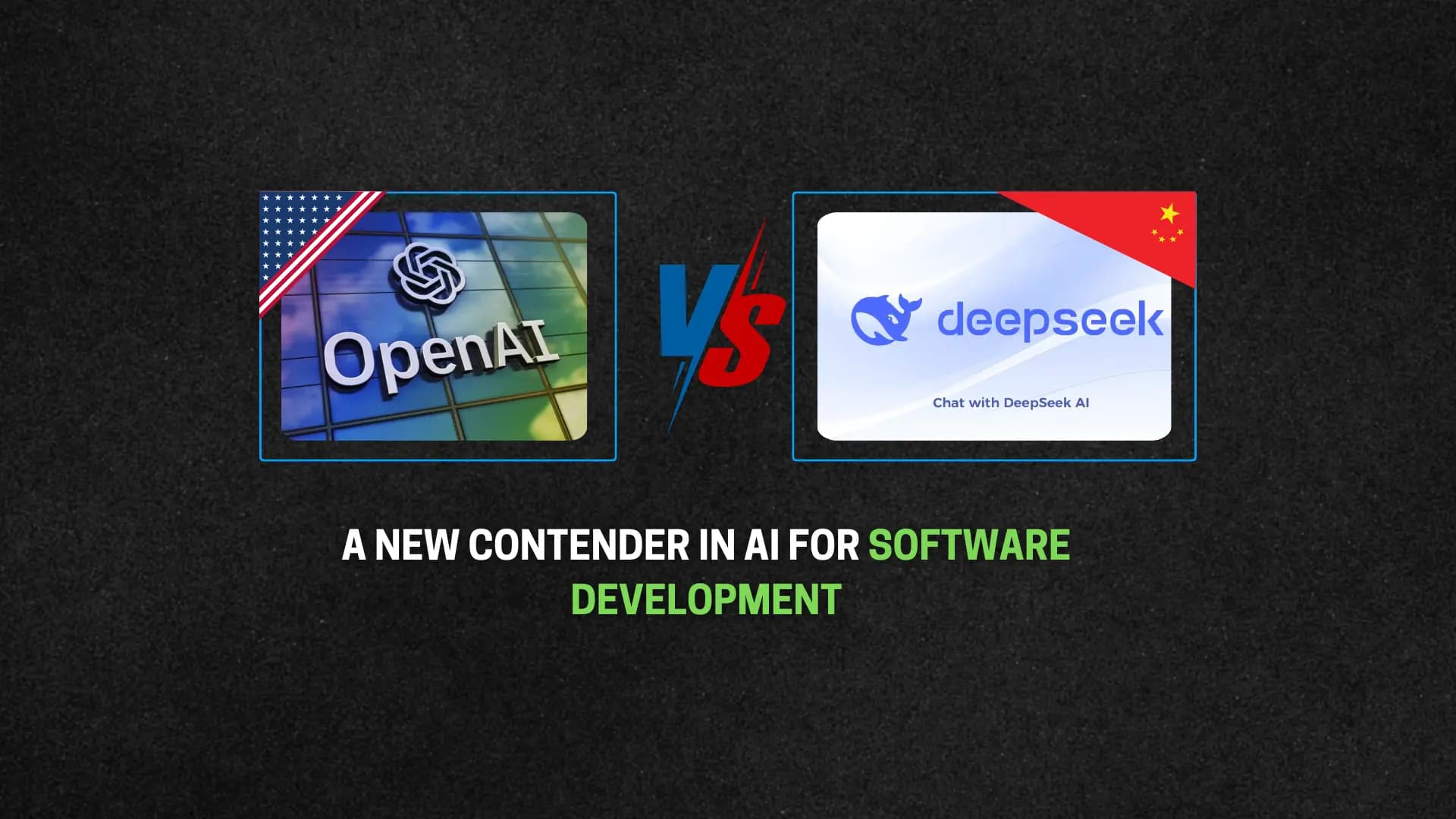
The Rise of DeepSeek R1: Challenging ChatGPT in Software Development
Among the emerging players, DeepSeek R1 is positioning itself as a strong......
Among the emerging players, DeepSeek R1 is positioning itself as a strong competitor to ChatGPT. Learn how Zettabyte Software Company can leverage AI to enhance productivity, streamline processes, and drive innovation...
Click/Tap to Read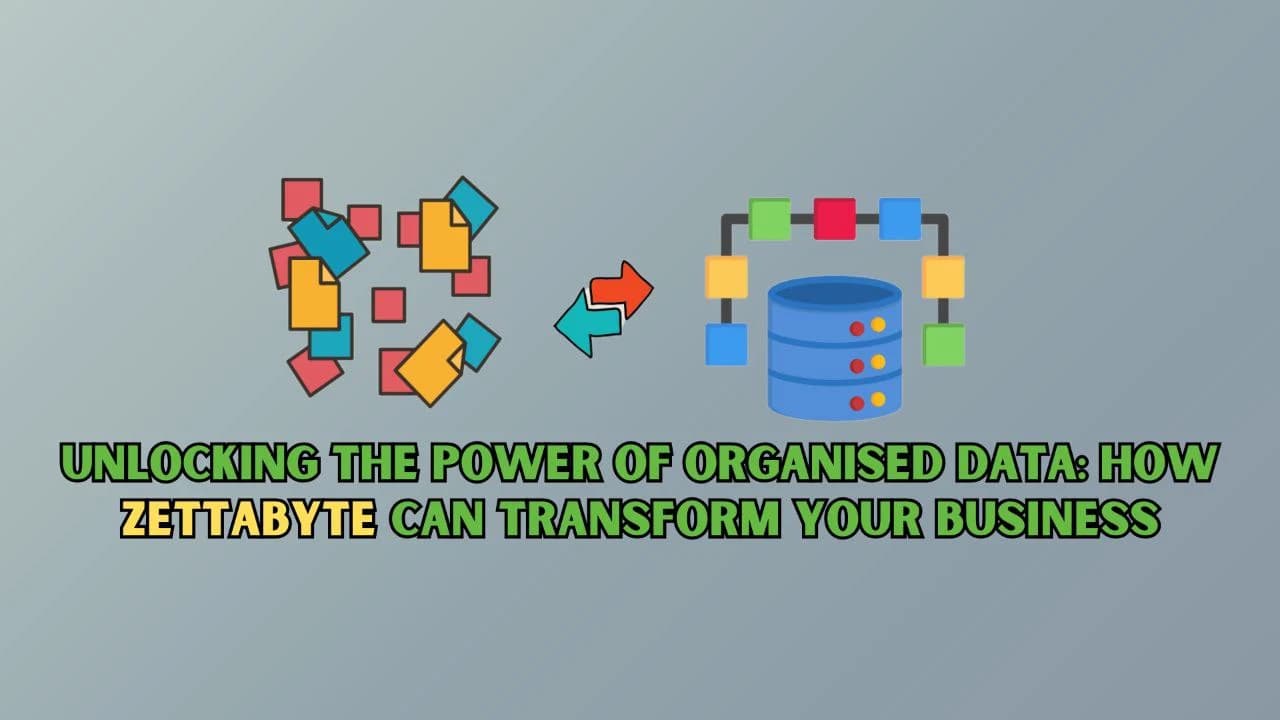
From Chaos to Clarity: How ZettaByte Transforms Your Data into a Strategic Asset
Learn the importance of data management for boosting efficiency, empowering decision-making, and......
Learn the importance of data management for boosting efficiency, empowering decision-making, and ensuring compliance. Explore practical strategies and essential tools to unlock the full potential of your data....
Click/Tap to Read
Navigating Canada’s Immigration Challenges: The Role of Technology in Addressing Economic and Housing Crises
While immigration has long been a cornerstone of Canada’s growth, the current......
While immigration has long been a cornerstone of Canada’s growth, the current situation demands innovative solutions to ensure a balanced and sustainable future. At ZettaByte Technology, we believe that technology can play a pivotal role in addressing these issues. Here’s how we’re leveraging our expertise to make a difference....
Click/Tap to Read