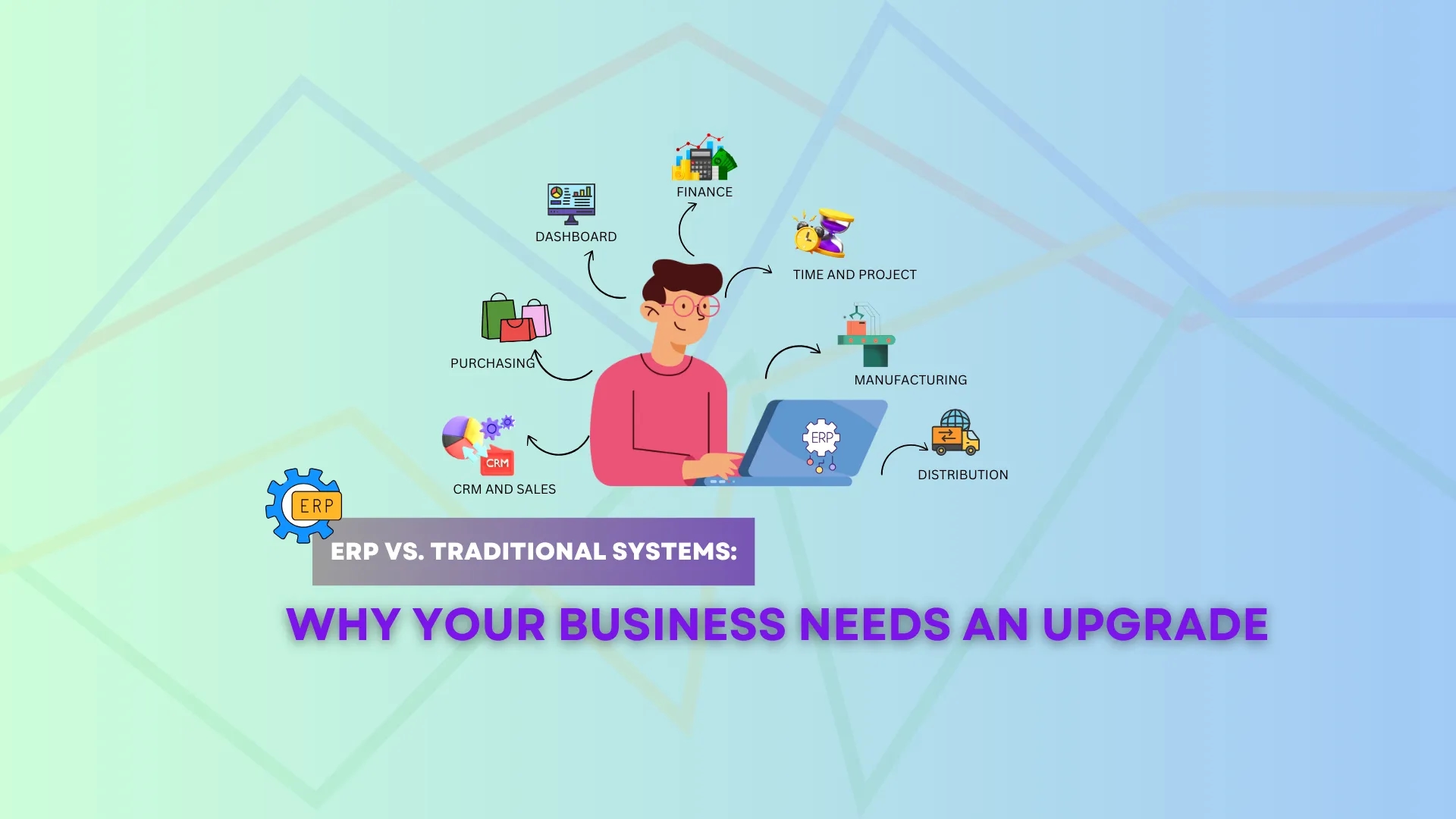
ERP vs. Traditional Systems: Why Your Business Needs an Upgrade
Discover the key differences between ERP and traditional systems, and learn why upgrading to an ERP solution can transform your business operations, efficiency, and growth.
Are you drowning in a sea of spreadsheets, disconnected software, and outdated processes? If so, it’s time to consider upgrading to an Enterprise Resource Planning (ERP) system. According to LinkedIn, over 70% of corporations use ERP software to streamline operations and boost efficiency. But with so many options available—cloud-based vs. traditional ERP—choosing the right solution can feel overwhelming.
In this blog, we’ll break down the differences between ERP and traditional systems, explore the pros and cons of each, and help you decide which option is best for your business. Whether you’re a small business owner or managing a large enterprise, this guide will provide the insights you need to make an informed decision.
What Is an ERP System? 🎯
An ERP system is a centralized software platform that integrates and automates core business processes, such as finance, human resources, inventory management, supply chain operations, and customer relationship management (CRM). By consolidating these functions into a single system, ERP software eliminates data silos, improves collaboration, and enhances overall efficiency.
For example, imagine a small business owner named Steve. As his company grew, managing operations manually became a nightmare. He struggled with delayed processes, miscommunication between departments, and a lack of real-time data. By implementing an ERP system, Steve was able to streamline operations, access live data, and improve decision-making—ultimately driving his business toward success.
Why Your Business Needs an ERP System ✨
If you’re still relying on traditional systems or manual processes, it’s time to upgrade to an ERP system. Here’s why:
1. Real-Time Data Access: Make Smarter Decisions Faster 📊
Traditional systems often force teams to chase down information from multiple sources, such as spreadsheets, emails, and standalone software. This fragmented approach leads to delays, inefficiencies, and errors. For example, a sales manager might spend hours compiling data from different platforms to create a quarterly sales report, only to find that the numbers are outdated by the time the report is ready.
An ERP system eliminates these challenges by providing real-time data access. Imagine a dashboard that updates instantly with sales figures, inventory levels, and financial metrics. With this level of visibility, you can make faster, more informed decisions—like adjusting production schedules based on live sales trends or reallocating budgets during a cash flow crunch. Real-time data ensures that your business stays agile and responsive in a competitive market.
2. Improved Collaboration: Break Down Departmental Silos 🤝
In traditional setups, departments often operate in isolation, leading to miscommunication and inefficiencies. For instance, the procurement team might place orders without checking warehouse stock levels, resulting in overstocking or stockouts. Similarly, the finance team might struggle to reconcile invoices because they lack access to real-time purchase order data.
An ERP system acts as a centralized hub where all departments can access the same up-to-date information. When procurement places an order, the inventory module automatically updates stock levels, and the finance team receives real-time cost data. This seamless collaboration reduces miscommunication, eliminates redundant tasks, and ensures that everyone is working toward the same goals.
3. Enhanced Efficiency: Automate Repetitive Tasks ⚙️
Manual processes like data entry, invoice processing, and inventory counts are not only time-consuming but also prone to human error. For example, a retail store owner might spend hours manually updating stock levels across multiple platforms, only to discover discrepancies later.
ERP systems automate these repetitive tasks, freeing up your team to focus on strategic initiatives. Purchase orders trigger automatic inventory updates, payroll processes run without manual intervention, and AI-driven analytics flag discrepancies before they become costly mistakes. By streamlining workflows, ERP systems enhance efficiency and reduce the risk of errors, allowing your business to operate more smoothly.
4. Scalability: Grow Without Growing Pains 🚀
As your business grows, traditional systems often struggle to keep up. Adding new users, locations, or product lines can require expensive custom coding or entirely new software. For example, a small e-commerce business might outgrow its basic inventory management tool and need to invest in a more robust solution, disrupting operations in the process.
ERP systems are designed to scale with your business. Cloud-based ERP, in particular, allows you to add new users, modules, and features with just a few clicks. A startup can begin with basic modules like accounting and CRM and later add advanced features like supply chain analytics or e-commerce integration—all without overhauling the system. This scalability ensures that your business can grow without unnecessary disruptions or expenses.
5. Cost Savings: Reduce Hidden Expenses 💰
While traditional systems may seem cheaper upfront, hidden costs can quickly add up. Manual errors can lead to stockouts, delayed shipments, or compliance fines, all of which hurt your bottom line. For example, a manufacturing company might face costly downtime because of inaccurate inventory data, or a retail business might lose customers due to delayed order fulfillment.
ERP systems optimize processes and reduce errors, leading to significant cost savings. Predictive analytics can help you maintain optimal inventory levels, cutting storage costs by 20–30%. Automated compliance checks ensure that your business adheres to regulations like GDPR or HIPAA, avoiding costly fines. By streamlining operations and improving accuracy, ERP systems help you save money and improve profitability.
Cloud-Based ERP: Pros and Cons ☁️
Benefits of Cloud-Based ERP
- Affordable Subscription Models: Pay-as-you-go pricing (e.g., 50–150/user/month) lets SMBs access enterprise-grade tools like NetSuite or Microsoft Dynamics 365 without upfront costs.
- Anytime, Anywhere Access: A sales team can check inventory levels from a trade show floor, while managers approve budgets from their smartphones.
- Automatic Updates: No more costly IT projects to upgrade software. For example, Shopify’s cloud ERP updates overnight, ensuring users always have the latest security patches and features.
Challenges of Cloud-Based ERP
- Internet Dependency: A rural farm supply store with spotty connectivity might struggle with cloud ERP’s real-time demands.
- Data Privacy Concerns: While providers like AWS offer military-grade encryption, businesses in highly regulated sectors (e.g., banking) may still hesitate to store data offsite.
- Limited Customization: While modular, cloud ERP may not support ultra-niche workflows. A custom-built on-premises system might be better for unique manufacturing processes.
ERP vs. Traditional Systems: Which Is Right for You? 🔍
Choosing between ERP and traditional systems depends on your business needs, budget, and goals. Traditional ERP is a better fit for businesses that handle highly sensitive data, such as government contractors or hospitals needing strict compliance with regulations like CMMC or HIPAA. Large enterprises with deep IT resources, like Coca-Cola, can also benefit from the customization and control offered by traditional ERP systems. Additionally, businesses operating in areas with poor internet connectivity may find traditional ERP more reliable due to its offline capabilities.
Choosing between ERP and traditional systems depends on your business needs, budget, and goals. Traditional ERP is a better fit for businesses that handle highly sensitive data, such as government contractors or hospitals needing strict compliance with regulations like CMMC or HIPAA. Large enterprises with deep IT resources, like Coca-Cola, can also benefit from the customization and control offered by traditional ERP systems. Additionally, businesses operating in areas with poor internet connectivity may find traditional ERP more reliable due to its offline capabilities.
The Bottom Line 🚀
Sticking with traditional systems is like using a typewriter in the age of ChatGPT—functional but painfully outdated. ERP systems, whether cloud or on-premises, offer a modern solution to inefficiency, data chaos, and growth barriers.
Ask yourself:
- How much time does your team waste reconciling data across platforms?
- Can your current system handle a 50% increase in sales or users?
- Are you confident in your compliance with evolving regulations?
At Zettabyte Incorp, we help businesses navigate ERP transitions with tailored solutions. Whether you’re a small retailer or a multinational manufacturer, we’ll align technology with your goals.
Upgrade now—or risk falling behind.
Why Learning to Code is Essential in the Age of AI (And How ZettaByte Empowers You)
As AI reshapes tech, coding remains a critical skill. Discover why human......
As AI reshapes tech, coding remains a critical skill. Discover why human ingenuity thrives alongside AI and how ZettaByte prepares learners for the future.💡💻...
Click/Tap to Read
From Idea to Implementation: Understanding the Software Development Life Cycle (SDLC)
Discover the Software Development Life Cycle (SDLC) and how it transforms ideas......
Discover the Software Development Life Cycle (SDLC) and how it transforms ideas into functional software. Learn about planning, design, development, testing, and deployment to ensure project success. 🚀...
Click/Tap to Read
How Customer Data & Machine Learning Can Enhance Customer Experience
Discover how combining customer data with machine learning can revolutionize customer experience.......
Discover how combining customer data with machine learning can revolutionize customer experience. Learn actionable strategies to deliver personalized services, predict customer needs, and boost satisfaction....
Click/Tap to Read
How to Create a Software Development Project Plan: A Step-by-Step Guide
Learn how to create a comprehensive software development project plan to ensure......
Learn how to create a comprehensive software development project plan to ensure success. Discover key steps, tools, and strategies to manage timelines, resources, and risks effectively....
Click/Tap to Read
The Importance of User-Centered Design in Software Development 🎯
Discover the importance of User-Centered Design (UCD) in software development and how......
Discover the importance of User-Centered Design (UCD) in software development and how it drives success. Learn how prioritizing user needs enhances UX, boosts engagement, and delivers competitive advantage....
Click/Tap to Read
Digital Transformation for SMEs: Strategies to Boost Growth & Profitability
Discover how SMEs can leverage digital transformation to enhance efficiency, reduce costs,......
Discover how SMEs can leverage digital transformation to enhance efficiency, reduce costs, and drive sustainable growth. Learn actionable strategies to overcome challenges and thrive in a competitive market. ...
Click/Tap to Read
Protect Your Business: How to Create a Cybersecurity Strategy That Works in 2025
Learn how to create a robust cybersecurity strategy for your small......
Learn how to create a robust cybersecurity strategy for your small business. Discover key steps, tools, and best practices to protect your operations, data, and reputation from cyber threats....
Click/Tap to Read
THE FUTURE OF POS TECHNOLOGY: What Your Business Deserves in 2024
Discover how cutting-edge POS technology can revolutionize your business operations. Explore benefits,......
Discover how cutting-edge POS technology can revolutionize your business operations. Explore benefits, key features, and why Zettabyte Incorp is your partner for tailored POS solutions. Innovative POS Technology Is What Your Business Deserves...
Click/Tap to Read
Dynamic Design Made Simple: Motion UI for React Developers
Discover how Motion UI transforms static web interfaces into dynamic, engaging experiences......
Discover how Motion UI transforms static web interfaces into dynamic, engaging experiences for React developers. Learn about popular libraries like Framer Motion, React Spring, and GSAP, and elevate your app’s design with seamless animations....
Click/Tap to Read
Scaling Customer Success Without Losing the Personal Touch: How Zettabyte Can Help
Discover how AI-powered ERP systems are revolutionizing business operations in 2025. Learn......
Discover how AI-powered ERP systems are revolutionizing business operations in 2025. Learn about their benefits, key features, and how ZettaByte Technology can help you implement cutting-edge ERP solutions for your business....
Click/Tap to Read
Why Choosing the Right Software Development Vendor Matters
Choosing the right software development vendor is crucial for your business success.......
Choosing the right software development vendor is crucial for your business success. Learn the key factors to consider, from experience and tech stack to pricing and communication, and find a reliable partner for your project....
Click/Tap to Read
A Unified Approach to IT Success: Enterprise, Solution, and Technical Explained
What makes IT systems successful? Meet the three key architects—enterprise, solution,......
What makes IT systems successful? Meet the three key architects—enterprise, solution, and technical—who align business goals with technology to drive innovation and efficiency....
Click/Tap to Read
Scaling Customer Success Without Losing the Personal Touch: How Zettabyte Can Help
Learn how Zettabyte enables businesses to scale customer success while maintaining......
Learn how Zettabyte enables businesses to scale customer success while maintaining a personal touch. Explore effective tech-touch strategies that enhance customer engagement and streamline support process...
Click/Tap to Read
Google Search Ranks AI Spam Above Original Reporting: A Growing Concern
Google adjusted its policies to target AI spam earlier this year, but......
Google adjusted its policies to target AI spam earlier this year, but plagiarizing content still comes up higher in search results months later—Discover the growing concern of Google prioritizing AI-generated content over original reporting in search results....
Click/Tap to Read
The Rise of DeepSeek R1: Challenging ChatGPT in Software Development
Among the emerging players, DeepSeek R1 is positioning itself as a strong......
Among the emerging players, DeepSeek R1 is positioning itself as a strong competitor to ChatGPT. Learn how Zettabyte Software Company can leverage AI to enhance productivity, streamline processes, and drive innovation...
Click/Tap to Read
From Chaos to Clarity: How ZettaByte Transforms Your Data into a Strategic Asset
Learn the importance of data management for boosting efficiency, empowering decision-making, and......
Learn the importance of data management for boosting efficiency, empowering decision-making, and ensuring compliance. Explore practical strategies and essential tools to unlock the full potential of your data....
Click/Tap to Read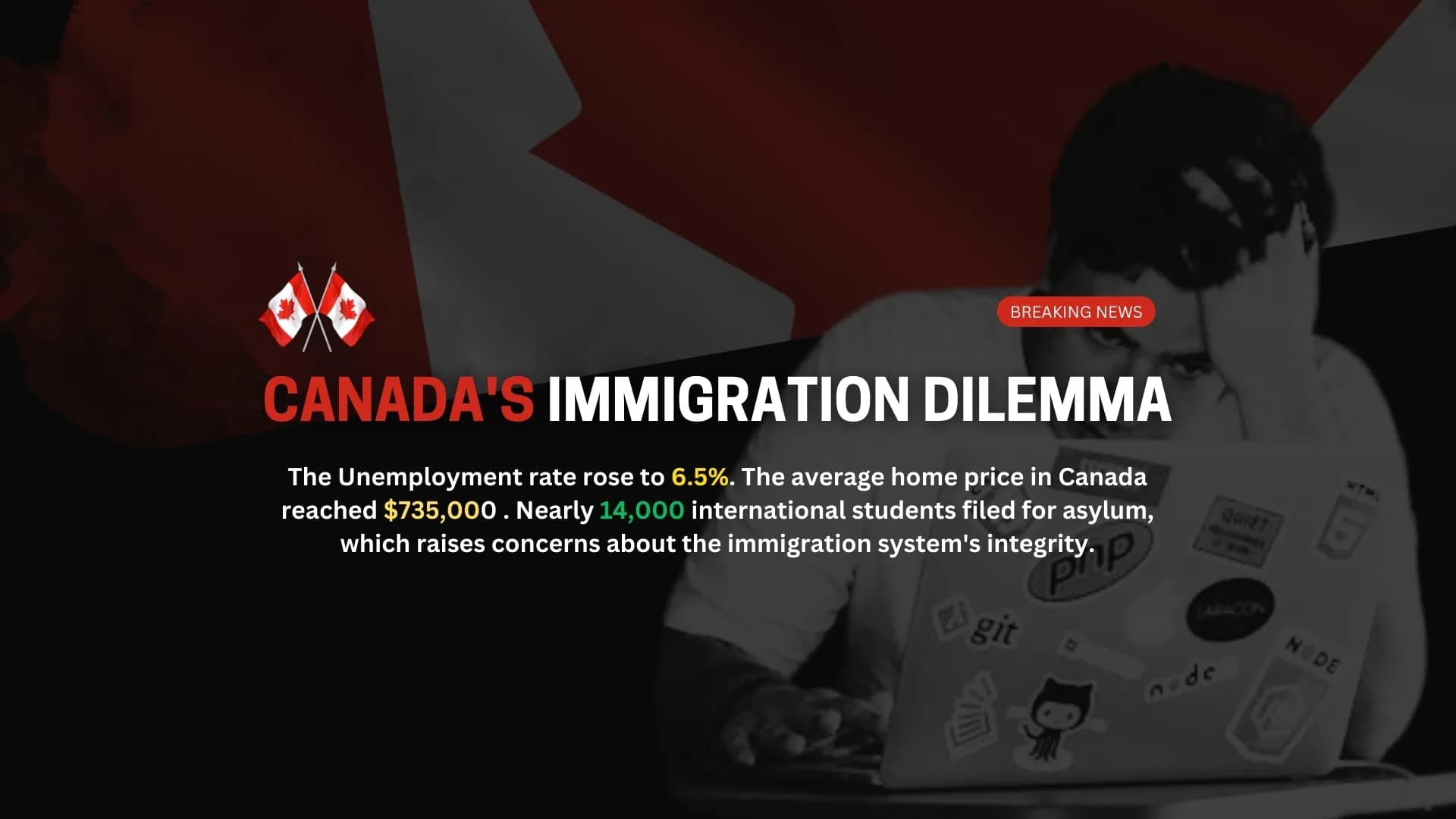
Navigating Canada’s Immigration Challenges: The Role of Technology in Addressing Economic and Housing Crises
While immigration has long been a cornerstone of Canada’s growth, the current......
While immigration has long been a cornerstone of Canada’s growth, the current situation demands innovative solutions to ensure a balanced and sustainable future. At ZettaByte Technology, we believe that technology can play a pivotal role in addressing these issues. Here’s how we’re leveraging our expertise to make a difference....
Click/Tap to Read