
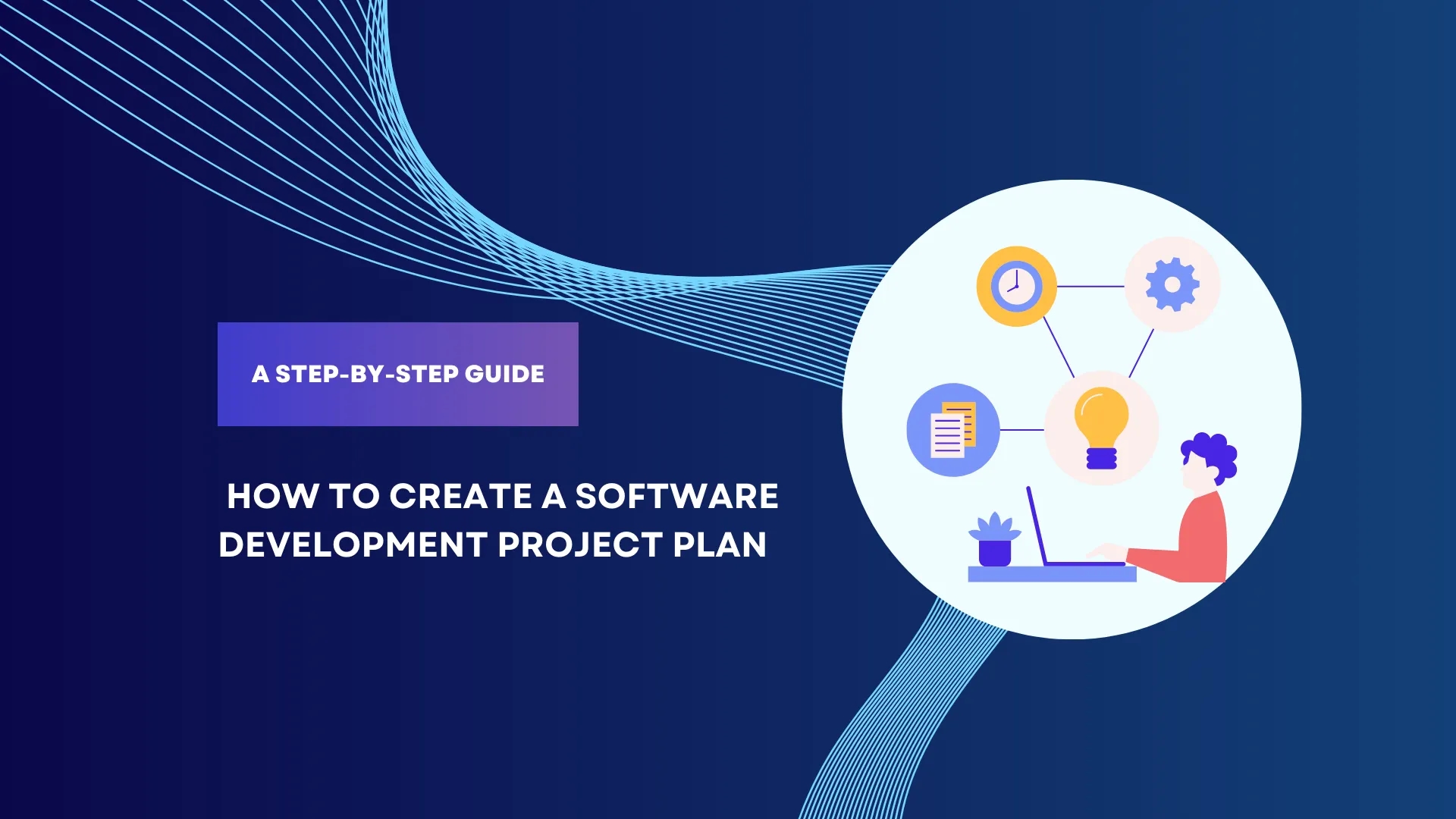
How to Create a Software Development Project Plan: A Step-by-Step Guide
Learn how to create a comprehensive software development project plan to ensure success. Discover key steps, tools, and strategies to manage timelines, resources, and risks effectively.
Creating a successful software development project doesn’t happen by chance—it requires meticulous planning, clear objectives, and effective execution. A well-structured project plan is the backbone of any software development process, ensuring that teams stay on track, resources are allocated efficiently, and risks are minimized.
In today’s fast-paced tech landscape, where 70% of projects fail due to poor planning, having a solid software development project plan is more critical than ever. Whether you’re building a mobile app, a web platform, or enterprise software, a detailed plan can mean the difference between delivering a high-quality product on time and facing costly delays or failures.
In this blog, we’ll explore what a software development project plan is, why it’s essential, and how to create one step by step. By the end, you’ll have a clear roadmap to guide your team from concept to launch.
What Is a Software Development Project Plan? 🎯
A software development project plan is a blueprint that outlines the entire process of transforming a project idea into a functional software product. It includes detailed steps, timelines, resources, and deliverables, ensuring that every aspect of the project is accounted for.
A comprehensive plan covers:
- Project goals and objectives: What are you trying to achieve? Scope and requirements: What features and functionalities are needed?
- Timeline and milestones: When will each phase be completed?
- Resource allocation: Who will do what, and what tools will they use?
- Risk management: What potential challenges could arise, and how will you address them?
Without a well-defined plan, projects often face delays, budget overruns, and miscommunication, leading to dissatisfied clients and frustrated teams.
Why Is a Software Development Project Plan Important? ✨
A software development project plan is more than just a document—it’s a strategic tool that ensures the success of your project. Here’s why it matters:
1. Clear Communication and Collaboration
A project plan establishes clear communication channels and defines roles and responsibilities for every team member. This ensures everyone is on the same page, reducing misunderstandings and improving collaboration.
2. Efficient Resource Management
By outlining the resources needed for each phase, a project plan helps you allocate time, budget, and personnel effectively. This prevents resource shortages and ensures smooth progress.
3. Risk Mitigation
Identifying potential risks early allows you to develop contingency plans. This minimizes disruptions and keeps the project on track, even when challenges arise.
4. Measurable Progress
With defined milestones and deliverables, you can track progress and measure success at every stage. This keeps the team motivated and ensures the project stays aligned with its goals.
5. Client Satisfaction
A well-executed project plan ensures that the final product meets client expectations, delivering value and building trust.
How to Create a Software Development Project Plan 🛠️
Creating a software development project plan involves several key steps. Let’s break them down:
1. Project Analysis and Planning
Before diving into development, conduct a thorough analysis of the project. Understand the problem you’re solving, the target audience, and the desired outcomes. This phase sets the foundation for the entire project.
- Key Questions to Ask:
- What is the primary goal of the project?
- Who are the end-users, and what are their needs?
- What are the technical and business requirements?
2. Define Project Requirements
Document all functional and non-functional requirements. This includes features, user stories, technical specifications, and constraints.
- Tools to Use:
- Jira or Trello for task management.
- Confluence or Google Docs for documentation.
3. Assemble Your Team
Identify the skills and expertise needed for the project. Assemble a team of developers, designers, testers, and project managers. If necessary, consider outsourcing or hiring freelancers to fill skill gaps.
- Key Roles:
- Project Manager: Oversees the entire project.
- Business Analyst: Defines requirements and ensures alignment with business goals.
- Developers: Build the software.
- QA Testers: Ensure the product is bug-free and meets quality standards.
4. Design and Prototyping
Create wireframes, mockups, or prototypes to visualize the software’s structure and functionality. This helps gather early feedback from stakeholders and ensures the design aligns with user needs.
- Tools to Use:
- Figma or Sketch for design.
- InVision or Marvel for prototyping.
5. Establish Milestones and Timeline
Break the project into phases and set clear milestones. This helps track progress and ensures the project stays on schedule.
- Example Milestones:
- Completion of requirements gathering.
- Design approval.
- Development of core features.
- Testing and bug fixes.
- Final delivery and launch.
6. Budget Estimation
Estimate the costs for each phase, including development, testing, tools, and personnel. Ensure the budget aligns with the project scope and client expectations.
- Tips for Budgeting:
- Include a contingency fund for unexpected expenses.
- Use tools like Microsoft Project or Smartsheet for cost tracking.
7. Risk Management
Identify potential risks, such as scope creep, resource shortages, or technical challenges. Develop mitigation strategies to address these risks proactively.
- Common Risks:
- Unclear requirements.
- Delays in deliverables.
- Budget overruns.
Risks Associated with Software Development Planning 🚨
Even with a solid plan, software development projects can face challenges. Here are some common risks and how to address them:
1. Unclear Goals: Without clear objectives, the project can lose direction. Ensure all stakeholders agree on the project’s goals and success criteria before starting.
2. Inadequate Documentation: Poor documentation leads to confusion and errors. Maintain detailed records of requirements, decisions, and changes throughout the project.
3. Communication Gaps: Miscommunication can derail progress. Use collaboration tools like Slack or Microsoft Teams to keep everyone informed and aligned.
4. Scope Creep: Adding new features or changes mid-project can delay timelines and increase costs. Stick to the agreed-upon scope, and use change management processes for any adjustments.
Conclusion: Plan for Success 🚀
A well-crafted software development project plan is the key to delivering high-quality software on time and within budget. By following the steps outlined in this guide, you can streamline your development process, minimize risks, and ensure client satisfaction.
At Zettabyte Incorp, we specialize in helping businesses create and execute effective software development project plans. From initial analysis to final delivery, our team of experts ensures your project runs smoothly and achieves its goals.
Ready to turn your software idea into reality? Contact Zettabyte Incorp today and let’s build something extraordinary together!

Why Learning to Code is Essential in the Age of AI (And How ZettaByte Empowers You)
As AI reshapes tech, coding remains a critical skill. Discover why human......
As AI reshapes tech, coding remains a critical skill. Discover why human ingenuity thrives alongside AI and how ZettaByte prepares learners for the future.💡💻...
Click/Tap to Read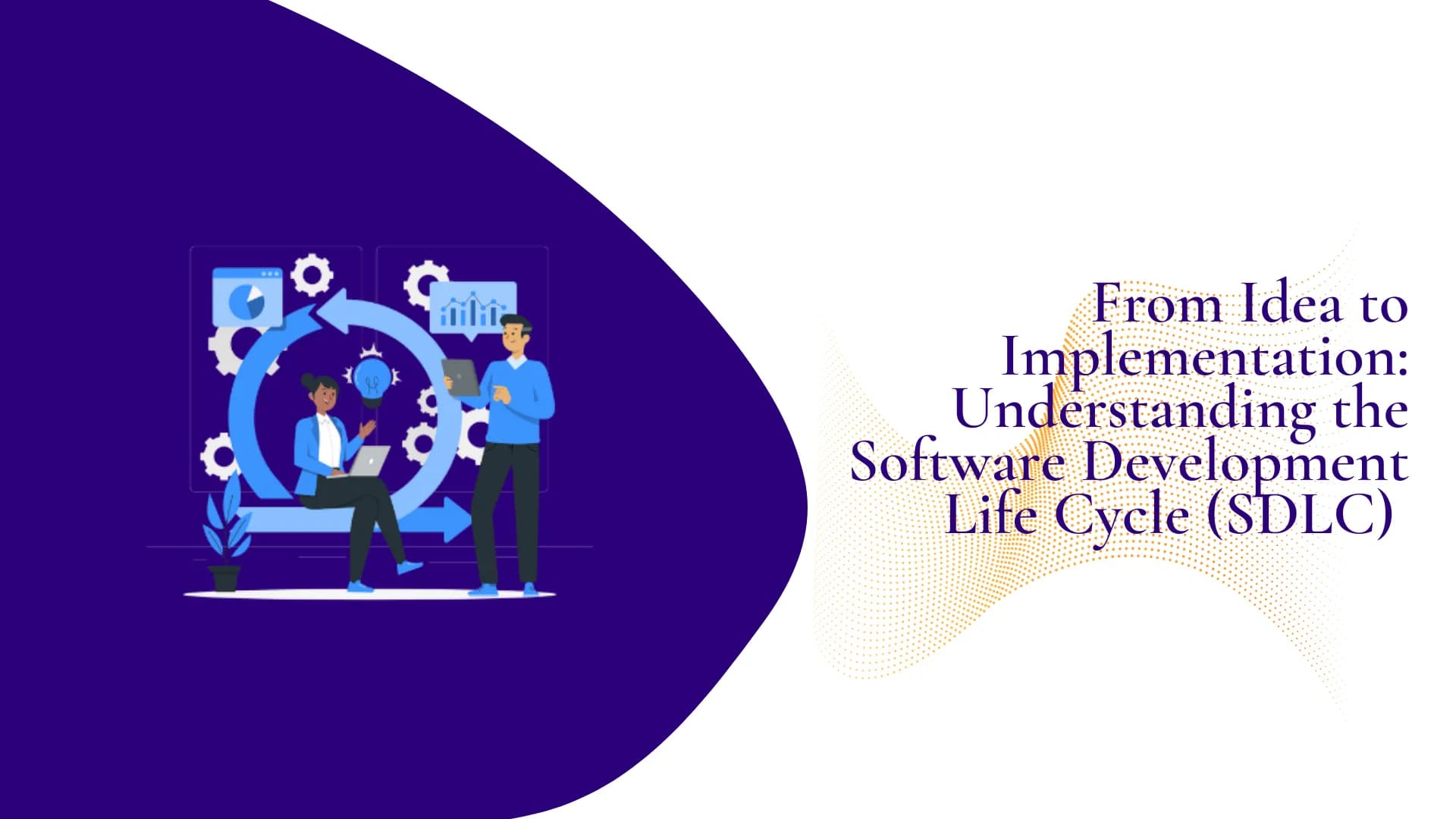
From Idea to Implementation: Understanding the Software Development Life Cycle (SDLC)
Discover the Software Development Life Cycle (SDLC) and how it transforms ideas......
Discover the Software Development Life Cycle (SDLC) and how it transforms ideas into functional software. Learn about planning, design, development, testing, and deployment to ensure project success. 🚀...
Click/Tap to Read
How Customer Data & Machine Learning Can Enhance Customer Experience
Discover how combining customer data with machine learning can revolutionize customer experience.......
Discover how combining customer data with machine learning can revolutionize customer experience. Learn actionable strategies to deliver personalized services, predict customer needs, and boost satisfaction....
Click/Tap to Read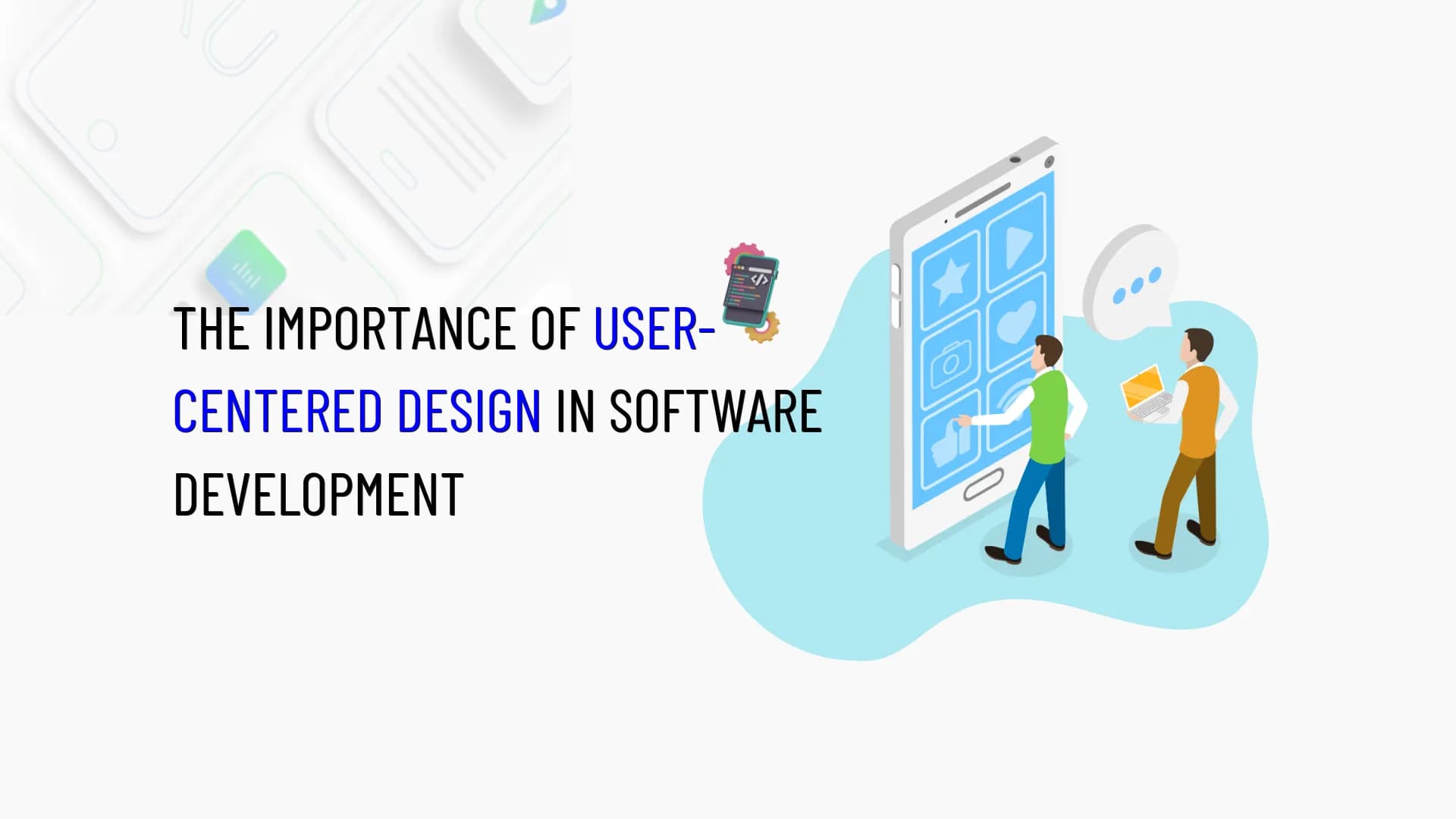
The Importance of User-Centered Design in Software Development 🎯
Discover the importance of User-Centered Design (UCD) in software development and how......
Discover the importance of User-Centered Design (UCD) in software development and how it drives success. Learn how prioritizing user needs enhances UX, boosts engagement, and delivers competitive advantage....
Click/Tap to Read
Digital Transformation for SMEs: Strategies to Boost Growth & Profitability
Discover how SMEs can leverage digital transformation to enhance efficiency, reduce costs,......
Discover how SMEs can leverage digital transformation to enhance efficiency, reduce costs, and drive sustainable growth. Learn actionable strategies to overcome challenges and thrive in a competitive market. ...
Click/Tap to Read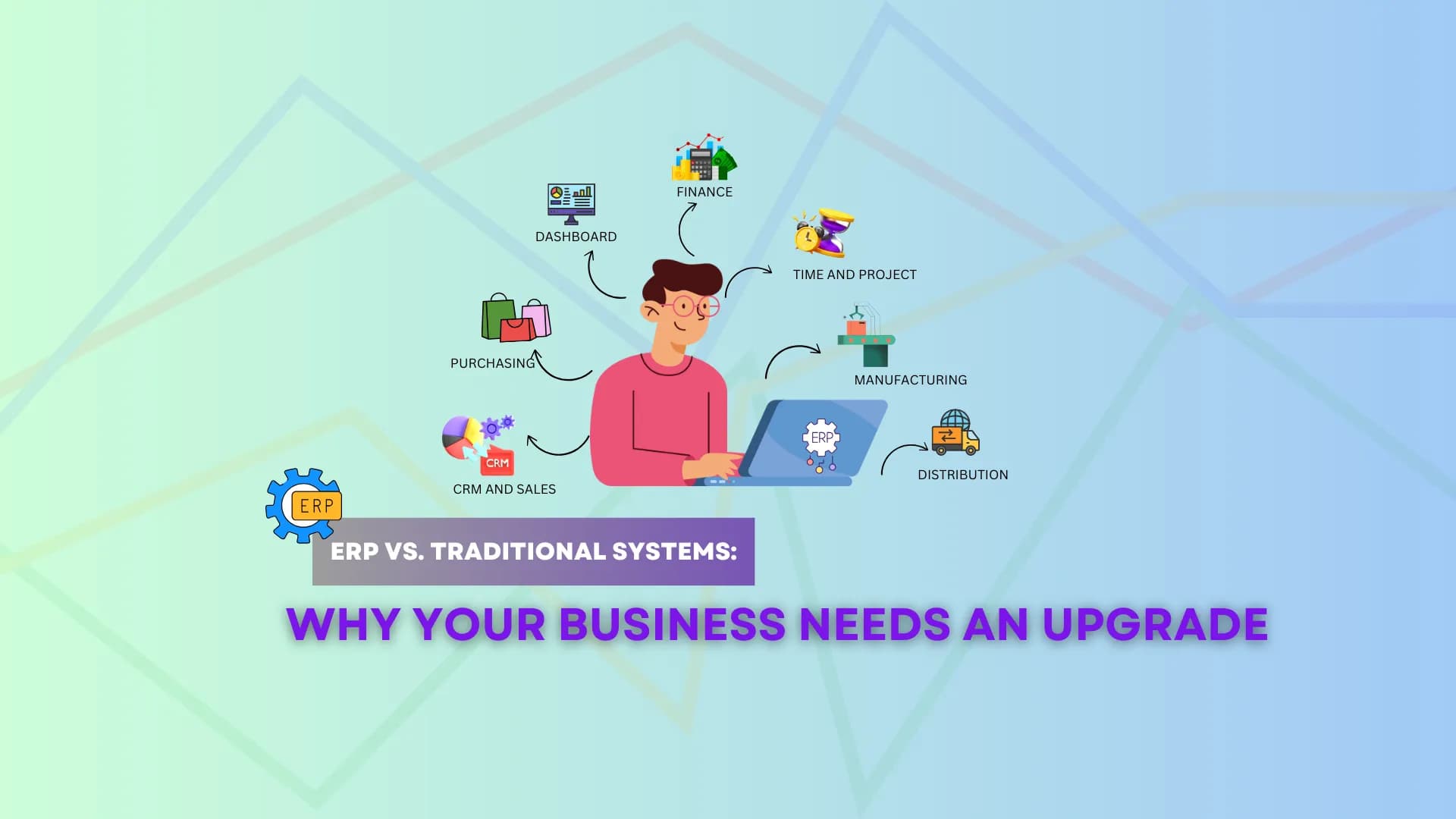
ERP vs. Traditional Systems: Why Your Business Needs an Upgrade
Discover the key differences between ERP and traditional systems, and learn......
Discover the key differences between ERP and traditional systems, and learn why upgrading to an ERP solution can transform your business operations, efficiency, and growth....
Click/Tap to Read
Protect Your Business: How to Create a Cybersecurity Strategy That Works in 2025
Learn how to create a robust cybersecurity strategy for your small......
Learn how to create a robust cybersecurity strategy for your small business. Discover key steps, tools, and best practices to protect your operations, data, and reputation from cyber threats....
Click/Tap to Read
THE FUTURE OF POS TECHNOLOGY: What Your Business Deserves in 2024
Discover how cutting-edge POS technology can revolutionize your business operations. Explore benefits,......
Discover how cutting-edge POS technology can revolutionize your business operations. Explore benefits, key features, and why Zettabyte Incorp is your partner for tailored POS solutions. Innovative POS Technology Is What Your Business Deserves...
Click/Tap to Read
Dynamic Design Made Simple: Motion UI for React Developers
Discover how Motion UI transforms static web interfaces into dynamic, engaging experiences......
Discover how Motion UI transforms static web interfaces into dynamic, engaging experiences for React developers. Learn about popular libraries like Framer Motion, React Spring, and GSAP, and elevate your app’s design with seamless animations....
Click/Tap to Read
Scaling Customer Success Without Losing the Personal Touch: How Zettabyte Can Help
Discover how AI-powered ERP systems are revolutionizing business operations in 2025. Learn......
Discover how AI-powered ERP systems are revolutionizing business operations in 2025. Learn about their benefits, key features, and how ZettaByte Technology can help you implement cutting-edge ERP solutions for your business....
Click/Tap to Read
Why Choosing the Right Software Development Vendor Matters
Choosing the right software development vendor is crucial for your business success.......
Choosing the right software development vendor is crucial for your business success. Learn the key factors to consider, from experience and tech stack to pricing and communication, and find a reliable partner for your project....
Click/Tap to Read
A Unified Approach to IT Success: Enterprise, Solution, and Technical Explained
What makes IT systems successful? Meet the three key architects—enterprise, solution,......
What makes IT systems successful? Meet the three key architects—enterprise, solution, and technical—who align business goals with technology to drive innovation and efficiency....
Click/Tap to Read
Scaling Customer Success Without Losing the Personal Touch: How Zettabyte Can Help
Learn how Zettabyte enables businesses to scale customer success while maintaining......
Learn how Zettabyte enables businesses to scale customer success while maintaining a personal touch. Explore effective tech-touch strategies that enhance customer engagement and streamline support process...
Click/Tap to Read
Google Search Ranks AI Spam Above Original Reporting: A Growing Concern
Google adjusted its policies to target AI spam earlier this year, but......
Google adjusted its policies to target AI spam earlier this year, but plagiarizing content still comes up higher in search results months later—Discover the growing concern of Google prioritizing AI-generated content over original reporting in search results....
Click/Tap to Read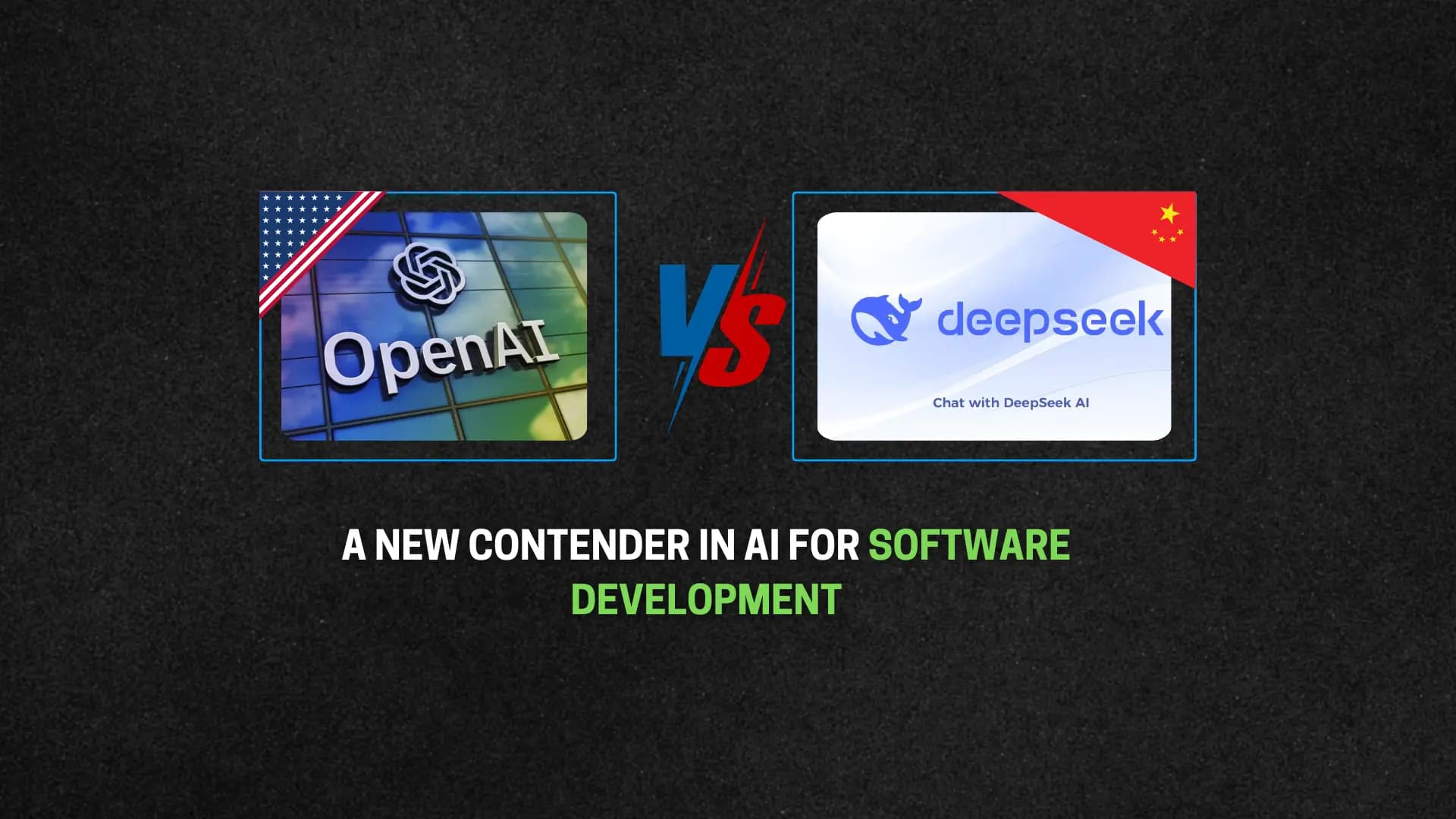
The Rise of DeepSeek R1: Challenging ChatGPT in Software Development
Among the emerging players, DeepSeek R1 is positioning itself as a strong......
Among the emerging players, DeepSeek R1 is positioning itself as a strong competitor to ChatGPT. Learn how Zettabyte Software Company can leverage AI to enhance productivity, streamline processes, and drive innovation...
Click/Tap to Read
From Chaos to Clarity: How ZettaByte Transforms Your Data into a Strategic Asset
Learn the importance of data management for boosting efficiency, empowering decision-making, and......
Learn the importance of data management for boosting efficiency, empowering decision-making, and ensuring compliance. Explore practical strategies and essential tools to unlock the full potential of your data....
Click/Tap to Read
Navigating Canada’s Immigration Challenges: The Role of Technology in Addressing Economic and Housing Crises
While immigration has long been a cornerstone of Canada’s growth, the current......
While immigration has long been a cornerstone of Canada’s growth, the current situation demands innovative solutions to ensure a balanced and sustainable future. At ZettaByte Technology, we believe that technology can play a pivotal role in addressing these issues. Here’s how we’re leveraging our expertise to make a difference....
Click/Tap to Read