
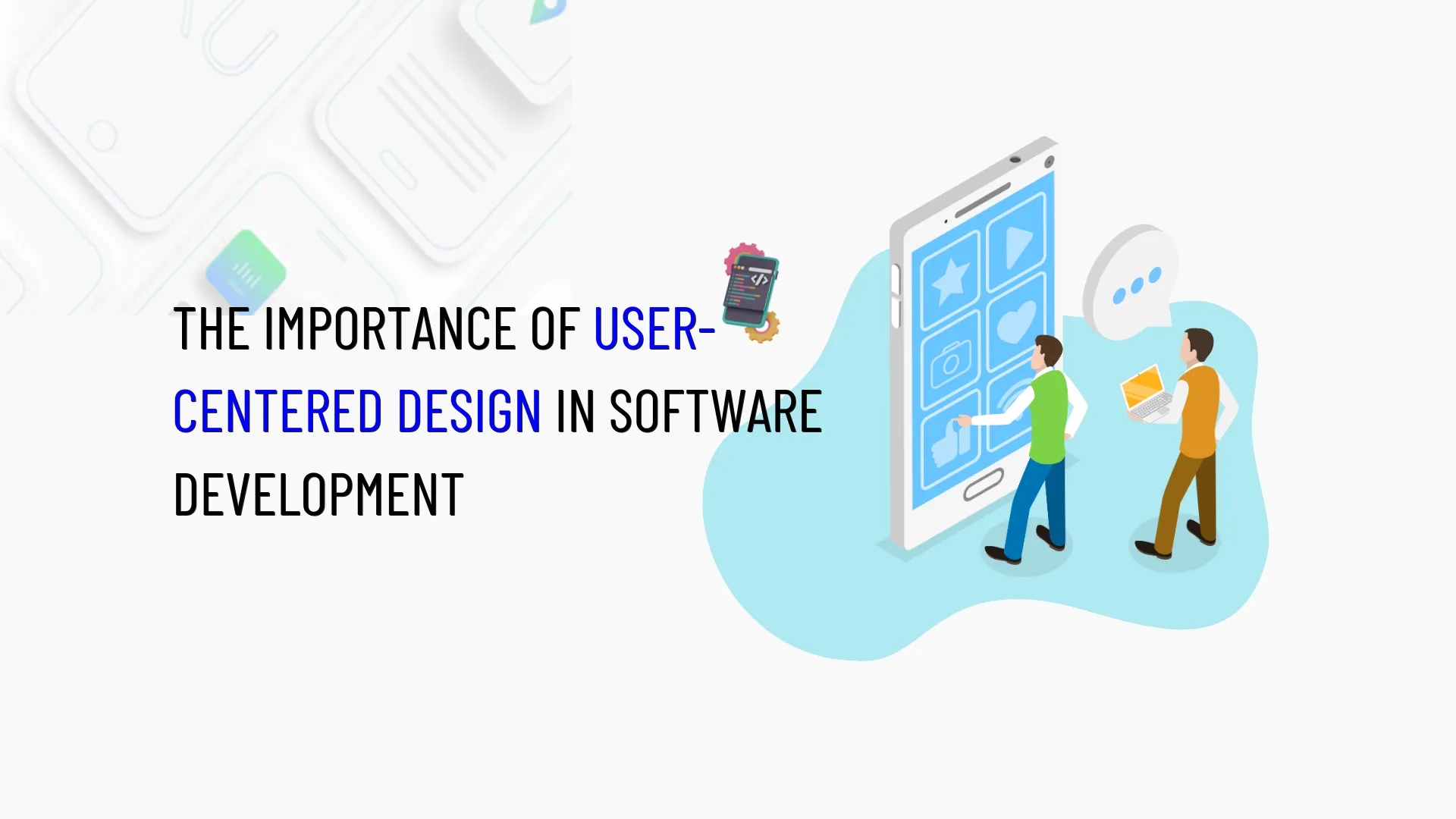
The Importance of User-Centered Design in Software Development 🎯
Discover the importance of User-Centered Design (UCD) in software development and how it drives success. Learn how prioritizing user needs enhances UX, boosts engagement, and delivers competitive advantage.
In an era where our daily routines are intertwined with technology, the software we use shapes our experiences, decisions, and interactions. Yet, amidst a sea of applications, only a select few resonate deeply with users. What sets these exceptional applications apart is a design philosophy that prioritizes the user's needs, desires, and challenges. This approach, known as user-centered design (UCD), ensures that software is not only functional but also intuitive and engaging. By focusing on the end-user throughout the development process, UCD leads to products that are both effective and delightful to use.
🚀 How User-Centered Design Drives Successful Software Development
User-centric design plays a pivotal role in driving successful custom software development. By prioritizing the needs and preferences of end-users, UCD ensures that the software is not just functional but also intuitive and enjoyable to use.
Through extensive research and engagement with the target audience, UCD helps developers understand user requirements, goals, and pain points. This knowledge serves as the foundation for creating software that directly addresses user needs, leading to a more satisfying and enjoyable user experience. Moreover, UCD helps identify potential usability issues early in the development process, reducing the risk of costly rework and enhancing overall product quality. Ultimately, UCD fosters a user-centric approach that not only satisfies customers but also increases the likelihood of software success in a highly competitive landscape.
🧠 Understanding User-Centered Design
User-centered design is an iterative process that involves designing and developing software with a deep understanding of the end-users. It emphasizes the importance of involving users throughout the entire software development lifecycle—from research and ideation to testing and implementation.
The goal is to create intuitive, efficient, and enjoyable software experiences that align with user expectations and requirements. By placing users at the center of the design process, developers can ensure that the final product is not only functional but also meaningful to its intended audience.
🌟 Enhanced User Experience (UX)
At the core of user-centered design is the focus on creating exceptional user experiences. By investing time and effort into understanding user needs, preferences, and pain points, developers can create software that truly caters to its intended audience.
Through user research, usability testing, and iterative design, software can be tailored to meet the unique requirements of different user groups. The result is an intuitive and seamless user experience that promotes user satisfaction, engagement, and loyalty.
🏆 Competitive Advantage
In today’s competitive market, user-centered design can provide a significant advantage over competitors. Users have come to expect well-designed, user-friendly software experiences. By delivering on these expectations, organizations can differentiate themselves from their competitors, attract new users, and retain existing ones.
Investing in UCD demonstrates a commitment to meeting user needs and sets a higher standard for software quality, positioning the organization as a leader in the industry.
⚙️ Increased Usability and Efficiency
User-centered design emphasizes the importance of usability. By incorporating user feedback and conducting usability testing early in the development process, developers can identify and address potential usability issues before they become major problems.
This iterative approach allows for continuous improvement, resulting in software that is easy to learn, navigate, and use efficiently. As a result, users can accomplish their tasks more effectively, saving time and frustration.
💡 Increased User Engagement and Retention
Software that prioritizes user-centered design principles tends to foster higher levels of user engagement and retention. When users find an application easy to use, visually appealing, and aligned with their needs, they are more likely to continue using it.
Positive user experiences lead to increased user satisfaction, loyalty, and advocacy, which can drive long-term success for the software and the organization behind it.
📈 Improved Product Adoption and Market Success
A user-centered design approach greatly enhances the chances of a product’s success in the market. By involving users in the design process, developers gain valuable insights into user expectations, desires, and pain points.
This knowledge can be leveraged to create software that aligns with user needs and preferences, increasing the likelihood of adoption and positive reviews. A well-designed and user-friendly software application also has the potential to generate positive word-of-mouth, attracting new users and expanding its user base.
Data-Driven Decision Making 📊
User-centered design relies on gathering data and feedback from users at various stages of the development process. This data-driven approach provides valuable insights that inform design decisions, feature prioritization, and future improvements. By analyzing user behavior, preferences, and pain points, developers can make informed decisions based on real user needs, rather than assumptions, leading to more effective and targeted agile software development, maximizing the chances of creating a successful product.
Continuous Improvement and Adaptability 🔄
User-centered design is not a one-time process but an ongoing effort. It promotes a mindset of continuous improvement and adaptability based on user feedback and evolving user needs. Incorporating feedback loops, analytics, and user research allows developers to continuously refine and optimize the software to meet changing user expectations and market demands. This iterative approach ensures the software stays relevant, competitive, and capable of adapting to emerging trends and technologies.
Cost and Time Efficiency 💰
While it may seem counterintuitive, incorporating user-centered design principles can save time and resources in the long run. Identifying and addressing usability issues early in the development process prevents costly redesigns and rework later on. User feedback and testing allow for quick iterations and adjustments, minimizing the risk of developing software that fails to meet user expectations. This iterative approach reduces the likelihood of costly post-release updates and patches, ultimately saving time and resources.
Minimized Learning Curve 📚
User-centered design aims to reduce the learning curve associated with new software applications. By understanding users' existing mental models and designing interfaces that align with their expectations, software becomes more intuitive and familiar. This enables users to quickly grasp how to use the application, reducing the need for extensive training or documentation. As a result, users can start using the software efficiently from the get-go, enhancing their overall experience.
Final Thoughts
User-centered design is not merely a buzzword in the software development industry but a fundamental approach that can make a significant difference in the success and adoption of software applications. By prioritizing user needs, preferences, and feedback, developers can create intuitive, efficient, and enjoyable experiences that resonate with users.
How Zettabyte Technologies Can Help
At Zettabyte Technologies, we specialize in building user-centered design solutions. With our expertise and focus on creating exceptional user experiences, we can help businesses create software applications that truly cater to the needs, goals, and preferences of their target audience. Our team is dedicated to delivering high-quality, user-friendly software that drives engagement and success. Contact us today to learn how we can assist you in your software development journey.

Why Learning to Code is Essential in the Age of AI (And How ZettaByte Empowers You)
As AI reshapes tech, coding remains a critical skill. Discover why human......
As AI reshapes tech, coding remains a critical skill. Discover why human ingenuity thrives alongside AI and how ZettaByte prepares learners for the future.💡💻...
Click/Tap to Read
From Idea to Implementation: Understanding the Software Development Life Cycle (SDLC)
Discover the Software Development Life Cycle (SDLC) and how it transforms ideas......
Discover the Software Development Life Cycle (SDLC) and how it transforms ideas into functional software. Learn about planning, design, development, testing, and deployment to ensure project success. 🚀...
Click/Tap to Read
How Customer Data & Machine Learning Can Enhance Customer Experience
Discover how combining customer data with machine learning can revolutionize customer experience.......
Discover how combining customer data with machine learning can revolutionize customer experience. Learn actionable strategies to deliver personalized services, predict customer needs, and boost satisfaction....
Click/Tap to Read
How to Create a Software Development Project Plan: A Step-by-Step Guide
Learn how to create a comprehensive software development project plan to ensure......
Learn how to create a comprehensive software development project plan to ensure success. Discover key steps, tools, and strategies to manage timelines, resources, and risks effectively....
Click/Tap to Read
Digital Transformation for SMEs: Strategies to Boost Growth & Profitability
Discover how SMEs can leverage digital transformation to enhance efficiency, reduce costs,......
Discover how SMEs can leverage digital transformation to enhance efficiency, reduce costs, and drive sustainable growth. Learn actionable strategies to overcome challenges and thrive in a competitive market. ...
Click/Tap to Read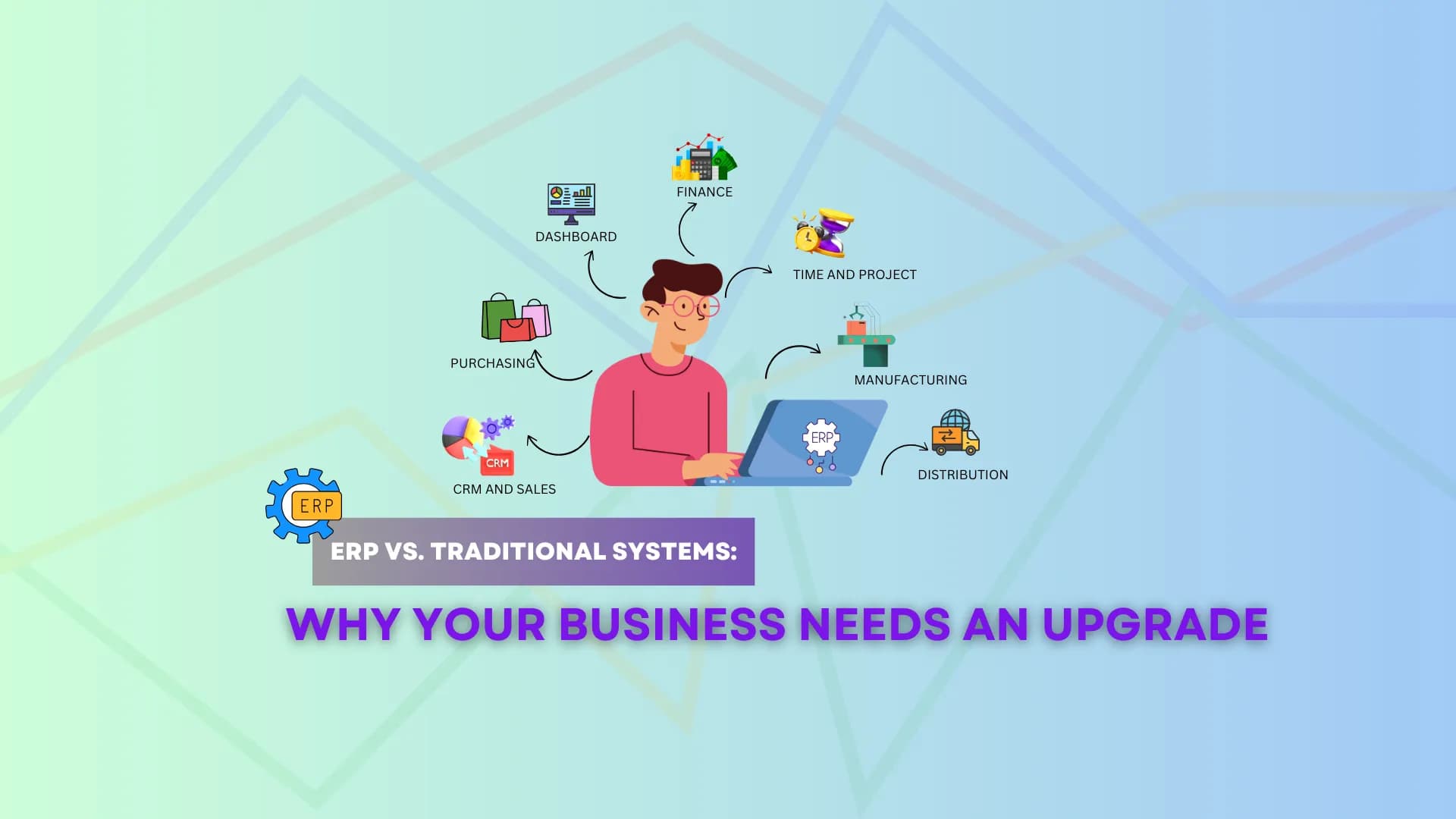
ERP vs. Traditional Systems: Why Your Business Needs an Upgrade
Discover the key differences between ERP and traditional systems, and learn......
Discover the key differences between ERP and traditional systems, and learn why upgrading to an ERP solution can transform your business operations, efficiency, and growth....
Click/Tap to Read
Protect Your Business: How to Create a Cybersecurity Strategy That Works in 2025
Learn how to create a robust cybersecurity strategy for your small......
Learn how to create a robust cybersecurity strategy for your small business. Discover key steps, tools, and best practices to protect your operations, data, and reputation from cyber threats....
Click/Tap to Read
THE FUTURE OF POS TECHNOLOGY: What Your Business Deserves in 2024
Discover how cutting-edge POS technology can revolutionize your business operations. Explore benefits,......
Discover how cutting-edge POS technology can revolutionize your business operations. Explore benefits, key features, and why Zettabyte Incorp is your partner for tailored POS solutions. Innovative POS Technology Is What Your Business Deserves...
Click/Tap to Read
Dynamic Design Made Simple: Motion UI for React Developers
Discover how Motion UI transforms static web interfaces into dynamic, engaging experiences......
Discover how Motion UI transforms static web interfaces into dynamic, engaging experiences for React developers. Learn about popular libraries like Framer Motion, React Spring, and GSAP, and elevate your app’s design with seamless animations....
Click/Tap to Read
Scaling Customer Success Without Losing the Personal Touch: How Zettabyte Can Help
Discover how AI-powered ERP systems are revolutionizing business operations in 2025. Learn......
Discover how AI-powered ERP systems are revolutionizing business operations in 2025. Learn about their benefits, key features, and how ZettaByte Technology can help you implement cutting-edge ERP solutions for your business....
Click/Tap to Read
Why Choosing the Right Software Development Vendor Matters
Choosing the right software development vendor is crucial for your business success.......
Choosing the right software development vendor is crucial for your business success. Learn the key factors to consider, from experience and tech stack to pricing and communication, and find a reliable partner for your project....
Click/Tap to Read
A Unified Approach to IT Success: Enterprise, Solution, and Technical Explained
What makes IT systems successful? Meet the three key architects—enterprise, solution,......
What makes IT systems successful? Meet the three key architects—enterprise, solution, and technical—who align business goals with technology to drive innovation and efficiency....
Click/Tap to Read
Scaling Customer Success Without Losing the Personal Touch: How Zettabyte Can Help
Learn how Zettabyte enables businesses to scale customer success while maintaining......
Learn how Zettabyte enables businesses to scale customer success while maintaining a personal touch. Explore effective tech-touch strategies that enhance customer engagement and streamline support process...
Click/Tap to Read
Google Search Ranks AI Spam Above Original Reporting: A Growing Concern
Google adjusted its policies to target AI spam earlier this year, but......
Google adjusted its policies to target AI spam earlier this year, but plagiarizing content still comes up higher in search results months later—Discover the growing concern of Google prioritizing AI-generated content over original reporting in search results....
Click/Tap to Read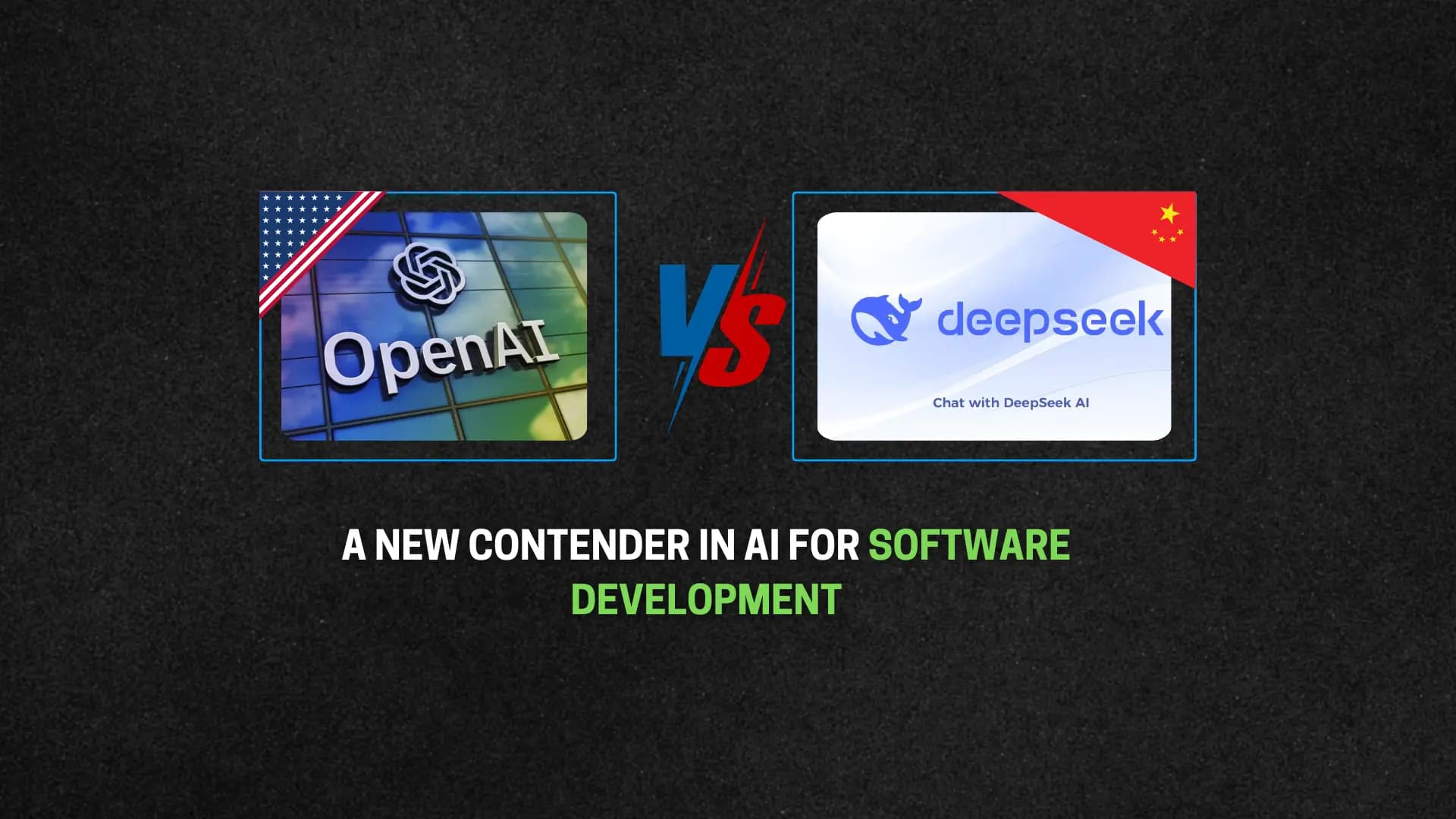
The Rise of DeepSeek R1: Challenging ChatGPT in Software Development
Among the emerging players, DeepSeek R1 is positioning itself as a strong......
Among the emerging players, DeepSeek R1 is positioning itself as a strong competitor to ChatGPT. Learn how Zettabyte Software Company can leverage AI to enhance productivity, streamline processes, and drive innovation...
Click/Tap to Read
From Chaos to Clarity: How ZettaByte Transforms Your Data into a Strategic Asset
Learn the importance of data management for boosting efficiency, empowering decision-making, and......
Learn the importance of data management for boosting efficiency, empowering decision-making, and ensuring compliance. Explore practical strategies and essential tools to unlock the full potential of your data....
Click/Tap to Read
Navigating Canada’s Immigration Challenges: The Role of Technology in Addressing Economic and Housing Crises
While immigration has long been a cornerstone of Canada’s growth, the current......
While immigration has long been a cornerstone of Canada’s growth, the current situation demands innovative solutions to ensure a balanced and sustainable future. At ZettaByte Technology, we believe that technology can play a pivotal role in addressing these issues. Here’s how we’re leveraging our expertise to make a difference....
Click/Tap to Read